MyoCon! September 24–27, 2026.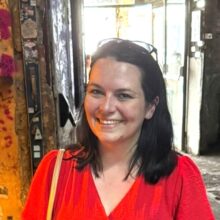
From Hospital Bed to Hope
By Brogan Greenhough
Before dermatomyositis entered my life, I was a healthy, active 31-year-old woman who loved cooking, traveling, and spending quality time with my husband, daughter, our cat, and our dog. Then, seemingly out of nowhere, everything changed. The first symptoms I noticed didn’t seem connected. My hair started falling out, and I developed rashes on my fingers and hands. Soon after, my face became swollen, particularly around my eyes. At the time, I had no idea these symptoms could be related to a rare autoimmune disease.
Over the following weeks, muscle weakness set in. Looking back, I wish the healthcare professionals I saw had considered all of my symptoms together. The skin changes, swelling, hair loss, and weakness were all pieces of the same puzzle. Unfortunately, it took an emergency hospital admission before everything came together and I was diagnosed with dermatomyositis. Thankfully, from the time my symptoms began to my diagnosis was only three months, allowing treatment to start relatively quickly.
Losing the Life I Knew
Nothing could have prepared me for how quickly dermatomyositis would take away my independence. Whilst in the hospital, I lost the ability to walk. I couldn’t lift my arms. Simple tasks that I had never thought twice about suddenly became impossible. I went from being a healthy and fit 31 year old to relearning how to do things safely. I spent a long time reliant on my husband for basic human needs. He helped me shower, get dressed, get in and out of bed, and even eat. At the same time, he was working full-time and caring for our five-year-old daughter.
Seven months after being discharged from the hospital, there are still many things I can’t do, or can’t do as well as I used to. But I have made amazing progress and I work every day to improve. I have now gone from walking with a walker to walking unaided. I have gone from being totally unable to manage steps to climbing a flight of stairs independently. My arms are now strong enough to lift around 5 kilograms of weight and to reach and grab things. But I am still dealing with swelling, rashes, hair loss, pain, weakness, and fatigue. My muscles ache every day, and I honestly can’t remember the last time I felt truly rested.
The hardest thing about this disease has been not being able to pick up my daughter and give her a big squeeze. That’s the moment I’m working toward now.
The People Who Carried Me
There is no way I would have made it through this journey without my family. My husband stepped into the role of carer overnight. My mam drove me to countless hospital appointments. My grandparents lent me mobility aids when I needed them. My daughter stayed overnight with my mam every Saturday, giving all of us some much-needed respite and helping maintain a sense of normality in her young life. Even my cousins came running to physically pick me up off the floor when I fell at home and couldn’t get up by myself.
I am fortunate to have a healthcare team that has helped guide me through recovery. I have a specialist rheumatology physiotherapist who I see every 4-6 weeks. The exercises he has provided have helped my progress massively. I also pay privately to see a neuro physiotherapist once per week who has been excellent at working on my balance, my core strength, learning how to get my legs to function again and stretching out some of my tighter muscles.
My consultant physician and their wider team are supporting my medication journey and have been responsive to flare ups as I’ve tapered down steroids. Perhaps just as important has been their honesty and candour about the length of time recovery takes and how difficult it can be to get medication right has been extremely helpful to managing my expectations.
Since my diagnosis, I’ve found tremendous comfort in learning from others who live with myositis. Reading stories from people who understand this disease has helped both me and my family feel less alone. The resources available through The Myositis Association have been invaluable.
What I Want Others to Know
If I could offer one piece of advice to someone newly diagnosed with myositis, it would be this: set small goals. You can work on these daily alongside those bigger goals. A sense of achievement and progress is so important to staying positive and moving forward with this disease. Quality is more important than quantity, so if you can only do one thing well today, that’s okay. Set a smaller goal to build from tomorrow.
And if you’re in the middle of a difficult season with myositis, these are the words I want to leave with you: Keep going, even when you’re tired and even when it hurts. The journey is long, but you will improve, and you will have some big wins along the way.
I know because I’ve already experienced a few of those wins myself. And I’m not done yet. My daughter is still waiting for that big hug.
Brogan Greenhough and her family live in England. She works as a full-time patient safety manager in mental healthcare. When well enough she enjoys playing guitar and travelling to new places. She is a huge Formula 1 fan and a lifelong bookworm.
Find out more about TMA Support and Affinity Groups.
Join any of TMA’s Support and Affinity Group meetings.
Support for global patient stories provided by