By Kim Murray, RDN
The US Department of Health and Human Services recently released new Dietary Guidelines that upend previous recommendations. These new guidelines send a clear message: eat more real food and less processed food.
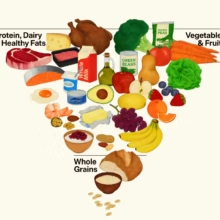
While that advice isn’t brand new, it’s being emphasized more strongly than ever—and in many ways, it brings us back to what we intuitively already knew. Simple, natural whole foods, prepared simply at home, are best for our health. A variety of foods like vegetables, fruits, eggs, meat, fish, dairy, nuts, and seeds—those that look close to how they came from nature—are encouraged, while packaged and highly refined foods are best kept to a minimum.
Recent headlines criticizing the new guidelines have focused on saturated fat and heart disease, but the bigger issue is food quality. Saturated fat eaten in small amounts as part of a whole-food diet is far less concerning because it comes with protein and protective nutrients, unlike saturated fat in processed foods that is paired with refined carbohydrates and added sugars.
The real concern in our diets is highly processed foods—such as sugary snacks, white breads, muffins, chips, and sweetened cereals—which increase inflammation and raise heart disease risk, while whole foods naturally support better health. This matters even more for people with autoimmune conditions, such as myositis, where inflammation affects muscles and energy levels. Eating mostly whole foods can help calm inflammation and support the body’s natural healing processes.
Another important shift in the guidelines is stronger support for getting enough protein, especially from high-quality animal sources. Protein helps maintain muscle, supports metabolism, and keeps you feeling full and energized.
Overall, the new guidelines move away from counting nutrients and toward a simpler goal: Build meals centered around whole foods that are easily recognizable from nature and provide nourishment for your body.
Read more about diet and myositis.
Kim Murray is a registered dietitian. In the fall of 2018, shortly after his 49th birthday, her husband Pat was diagnosed with IBM. As a nutrition expert, the diagnosis set Kim researching the impact diet can have on inflammation, muscle maintenance, how cells generate energy, and how what he eats could potentially improve Pat’s health.
Disclaimer: This content is not intended as a substitute for professional medical advice, diagnosis, or treatment. Always seek the advice of your qualified health care provider with any questions you may have regarding your medical condition.


I love the emphasis on eating what comes from nature! It’s beautiful that the earth gives us the best nutrients we can get ❤️